A Digital Deep Dive
All Things Digital and What it Means for Stores
Digital’s Ever-Evolving Door and Its Impact on Retail
It’s no secret that digital innovation is a mainstay at retail, and the possibilities associated seem to be limitless.
At one point, digital was an idea that felt simple: a tool associated with computer technology and e-commerce. A tool that, if leveraged to its fullest power, maximized ease, connection, and discovery, while remaining wholly separate from the store experience.
While that definition remains true, digital applications have become more complex, creating questions about its implementation value and consumer adoption. These complexities prevail in most consumer-centric categories, retail included.
Not so long ago, omnichannel integration and online-to-offline capabilities were essential to innovative relevance. Now, we’re seeing buzz terms associated with digital like unified commerce, retail media networks, and generative AI—which is great if you know what they mean and how to use them.
In this POV, we’ll unpack and simplify the digital confluences happening in today’s retail landscape.
What are the biggest digital trends shaping retail today? Digital innovation in retail today centers on three consumer need states: ease, connection, and discovery. These need states are powered by three key technologies: unified commerce, retail media networks, and generative AI. Unified commerce integrates every sales channel around the store for seamless shopping. Retail media networks turn a retailer’s digital assets into advertising platforms that connect brands with shoppers. Generative AI personalizes the shopping experience through recommendations, search, and virtual assistants. Retailers like Walmart, Nike, Home Depot, and Sephora are already combining all three to build more connected, relevant shopping experiences.
Consumer Need States
Let’s start by connecting these buzz terms with three critical consumer need states:

Ease
Unified Commerce
Unified commerce integrates retail sales channels (stores, websites, apps, social media) for seamless shopping with consistent inventory, pricing, and promotions. It simplifies customer shopping across all touchpoints and helps retailers gather data for personalized service.
Connection
Retail Media Networks
Retail media networks monetize retailers’ digital assets (websites, apps, in-store screens, etc.) by selling ad space to brands. This strategy helps retailers increase basket size and provides brands with opportunities to connect with shoppers at crucial moments.
Discovery
Generative AI
Generative AI uses machine learning to create new content like images, text, or audio based on existing data patterns. Retailers apply generative AI to personalize customer experiences and spur interest, engagement, and growth in a competitive market.
Unified Commerce
Unified commerce solutions are replacing the traditional omni-channel approach by placing stores at the center and integrating digital experiences into the physical retail environment.
Shoppers can use their phone to check inventory availability, look up product features, locate products, and ship products to store, so it’s important to have back-end functionality to support a seamless experience for your customers.
This integration ensures customers can shop effortlessly, no matter where they interact with the retailer, while also helping retailers collect data from all channels to improve decisions and offer personalized service.
Ease Example
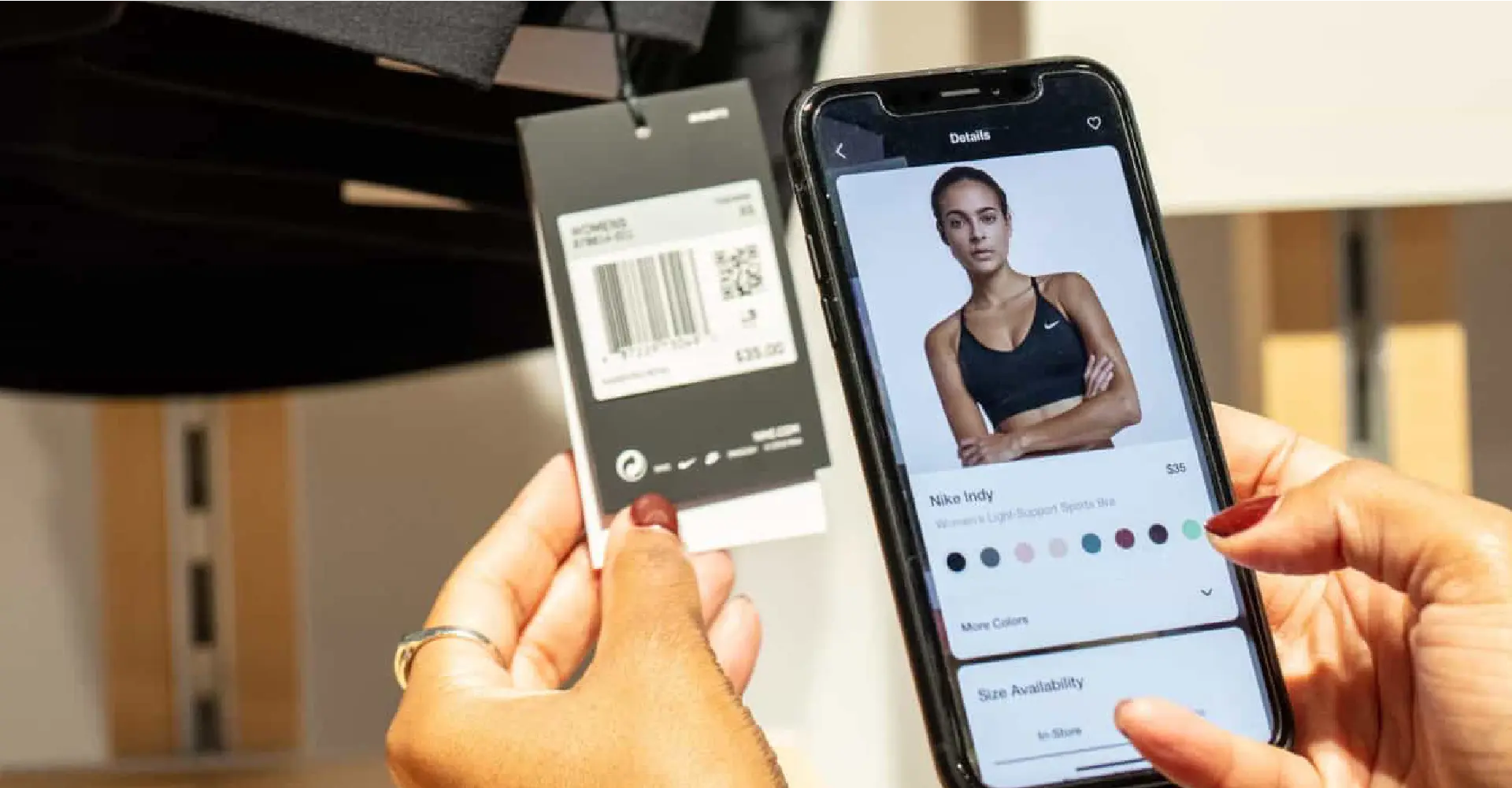
The Nike app plays a crucial role in unifying commerce. It offers features like product availability, personalized recommendations, and exclusive drops. It also connects with in-store experiences, allowing customers to scan QR codes to get more information or access special promotions.
Retail Media Networks
The closer you are to the consumer, the closer you are to conversion. Retail Media Networks do this by leveraging data proximity to capitalize upon e-commerce and open new revenue streams.
Retail Media Networks, or RMNs, are advertising platforms or capabilities owned by a retailer or that leverage retailer data through a third-party platform.
- RMNs can include a variety of digital assets, such as websites, mobile apps, streaming services, email channels, store media, and even partner assets like social media networks and digital billboards.
- Brands can advertise directly with retailers like Amazon, Walmart, Kroger, Target, and many more.
This capability is growing in popularity because of the proximity to the point of sale, amount of inventory, and access to first-party data—a benefit to both the retailer and brands, especially in a cookieless world.
Connection Example
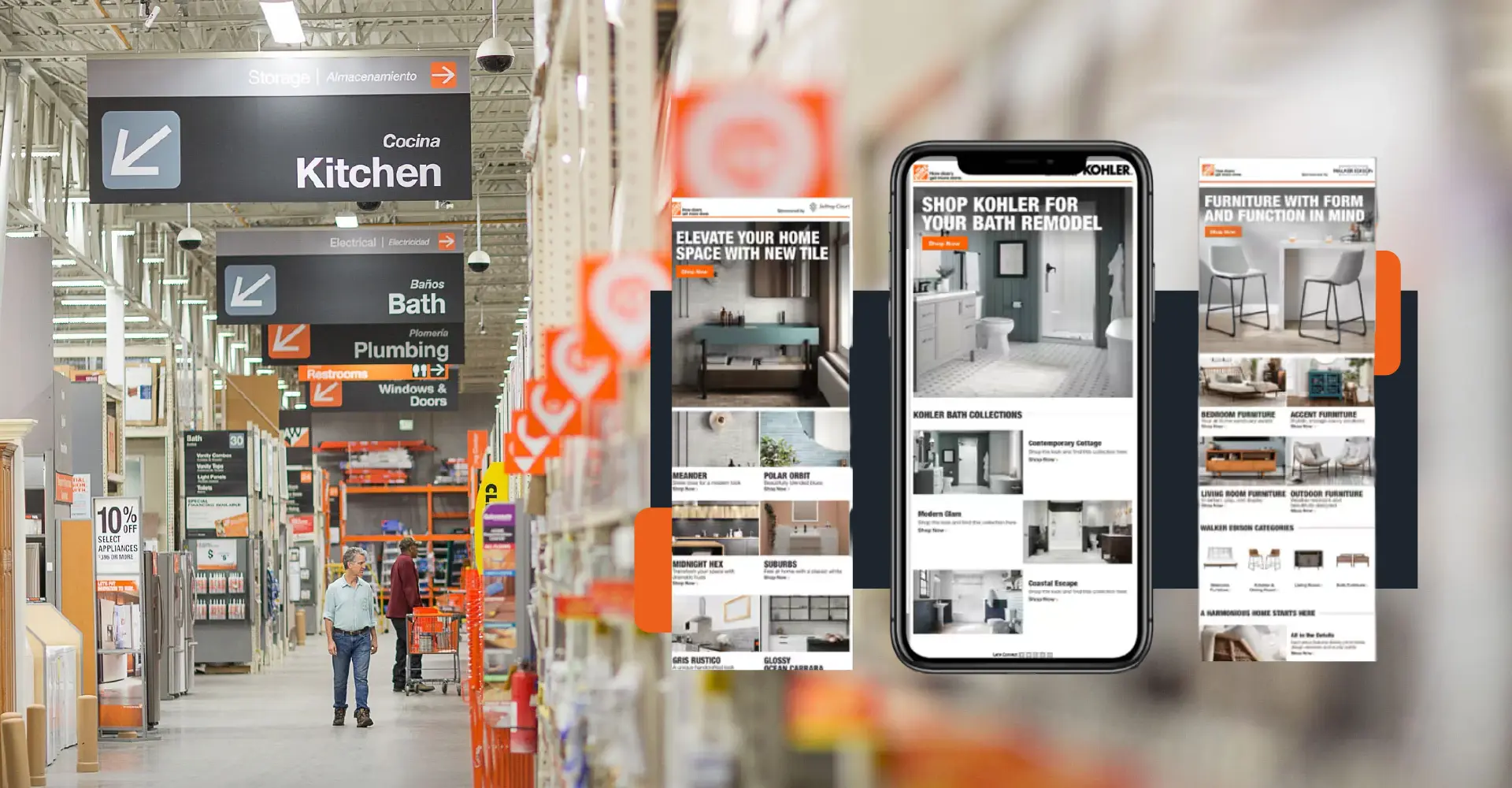
The Home Depot media network delivers highly relevant, personalized on- and off-site ads based on customer data, which helps shoppers discover products and promotions that match their interests. It improves navigation and efficiency by highlighting relevant products, current deals, and engaging content, creating a more tailored and enjoyable shopping journey both online and in-store.
Generative AI
Generative AI analyzes customer preferences, purchase history, and browsing behavior. Insights received help to provide customized product recommendations, boosting the chance of conversions and raising customer satisfaction levels.
Moreover, the technology stands out in pinpointing cross-selling and upselling opportunities, effectively boosting sales revenue. Generative AI also predicts clients’ future needs and preferences, contributing significantly to an enriched shopping experience and fostering customer loyalty.
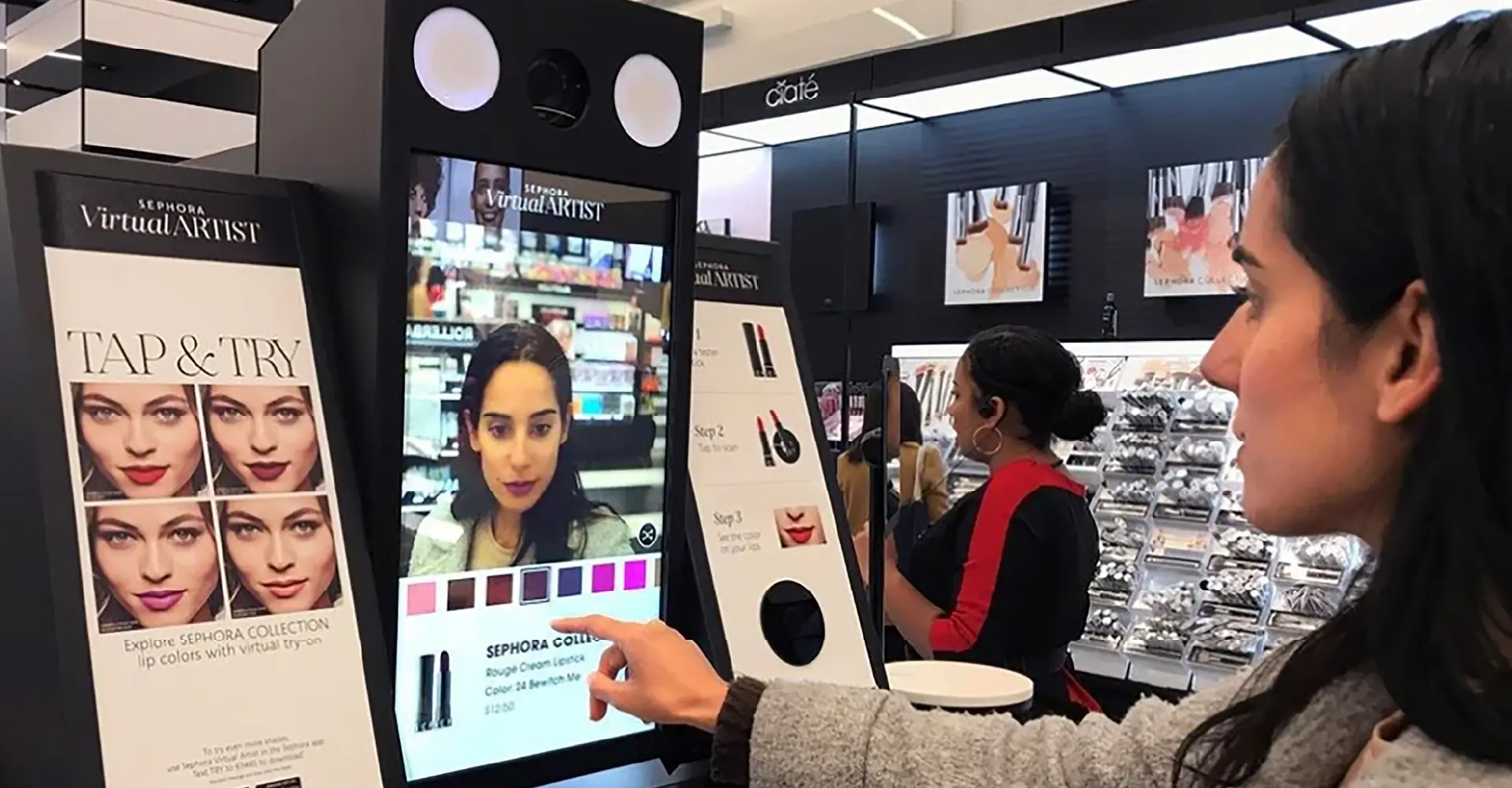
Discovery Example
Sephora integrates generative AI into stores through virtual try-ons and personalized product recommendations, allowing customers to see how products look on them and receive tailored beauty suggestions. Additionally, AI-driven virtual assistants and chatbots provide interactive consultations, enhancing product discovery and shopping efficiency.
In the retail sector, Generative AI leads in developing conversational Virtual Shopping Assistants (VSA). These intelligent assistants excel in responding to inquiries and assisting users with their purchases. Their main goal is to enrich the shopping experience by delivering personalized guidance throughout the customer journey.
VSAs help to find products, provide tailored recommendations, and resolve issues instantly, leading to a higher level of satisfaction and customer loyalty.
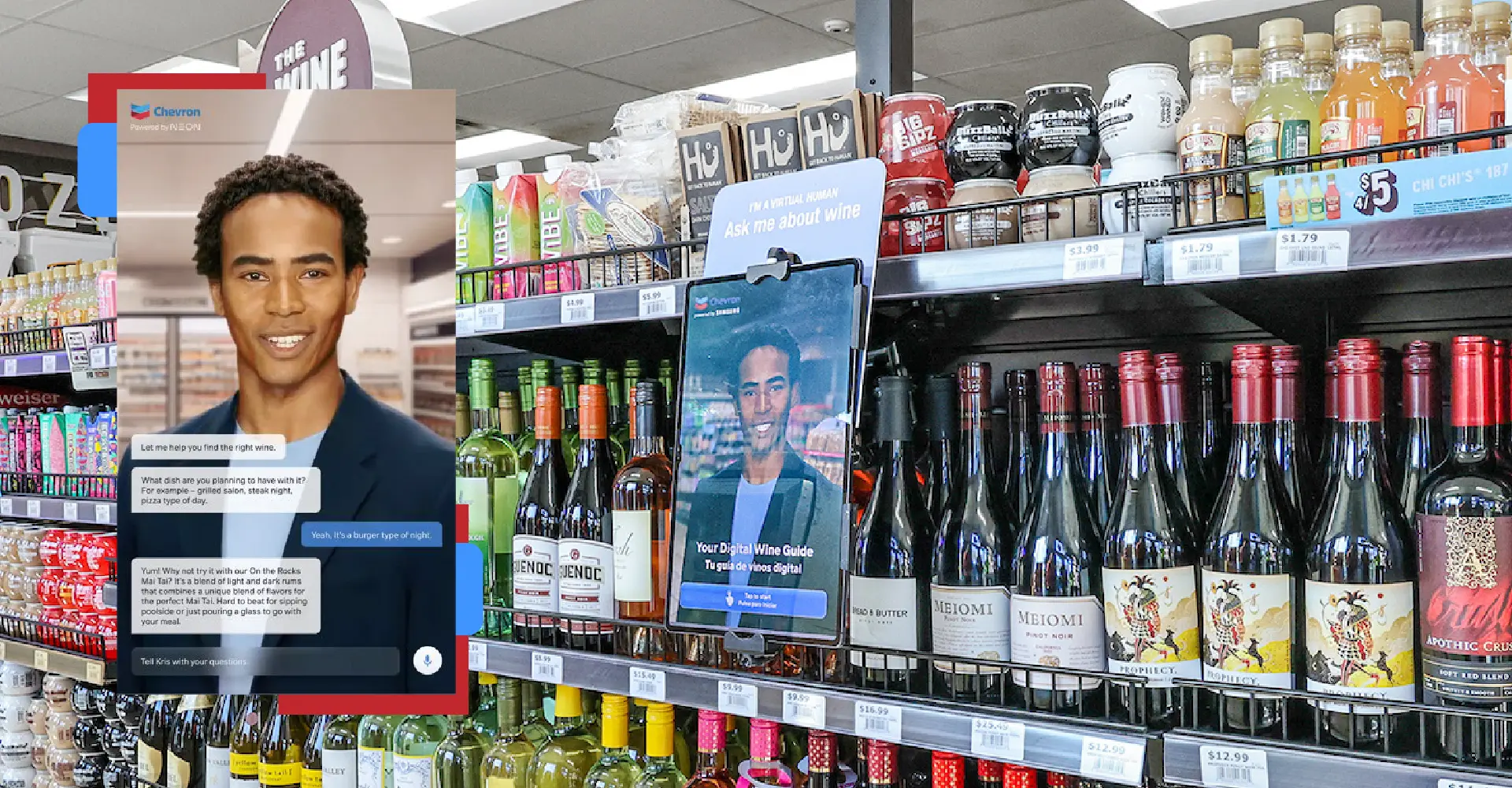
Discovery Example
Chevron integrates generative AI in their stores with “Sam the Sommelier,” an AI-powered virtual assistant designed to enhance the customer experience. Sam helps customers by providing personalized wine recommendations based on their preferences and food pairings, offering detailed information about wine choices. This facilitates an engaging, informative shopping experience at Chevron’s locations.
Digital Retail Terms, Defined
A quick reference recap of the ease, connection, and discovery framework covered above.
| Need State | Technology | Definition | Example |
|---|---|---|---|
| Ease | Unified Commerce | Integrates retail sales channels (stores, websites, apps, social media) for seamless shopping with consistent inventory, pricing, and promotions. | Nike app: product availability, personalized recommendations, in-store QR code integration |
| Connection | Retail Media Networks | Advertising platforms or capabilities owned by a retailer (or leveraging retailer data) that sell ad space to brands across digital assets like websites, apps, and in-store screens. | The Home Depot media network: personalized on- and off-site ads based on customer data |
| Discovery | Generative AI | Uses machine learning to create new content (images, text, audio) based on existing data patterns, personalizing customer experiences and driving engagement. | Sephora: virtual try-ons and AI-driven beauty consultations |
Can These Digital Innovations Work Together?
Yes… And, if done well, marrying these tactics uncovers no shortage of opportunities to further serve and connect with your consumer. Take Walmart for example…
How Walmart Is Leading the Digital Charge
Ease: Walmart uses Unified Commerce to synchronize its online and physical store offerings, enabling customers to shop seamlessly.
Connection: As for Retail Media Networks, Walmart has developed its own internal retail media network platform, known as Walmart Media Group (WMG), which allows brands to connect directly with Walmart’s customers across its digital properties such as Walmart.com and the Walmart app.
Discovery: Walmart is also leveraging Generative AI for personalized recommendations and dynamic pricing.
The following sections dive into the value each of these integrations provides.
How Walmart Does Unified Commerce
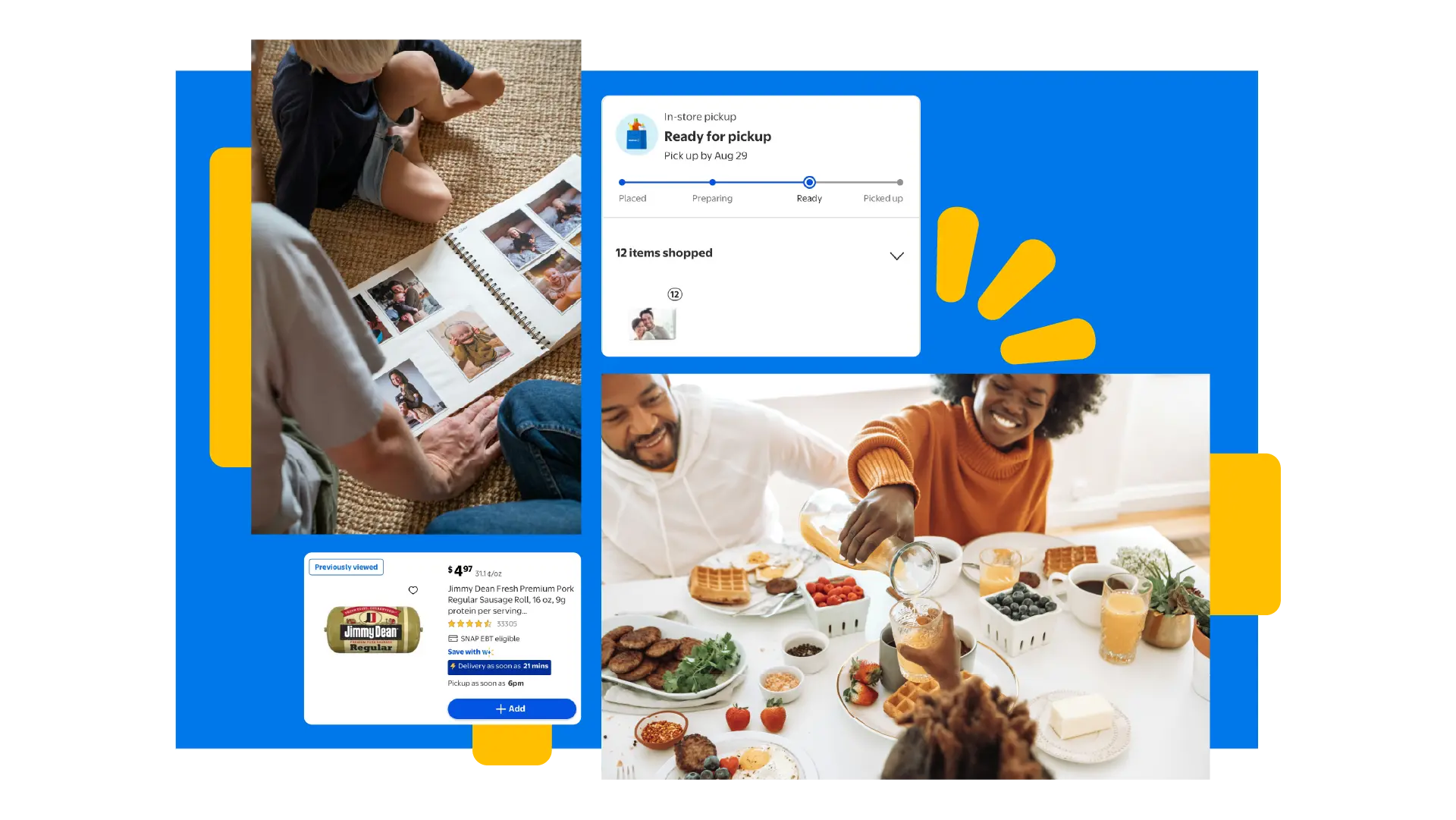
Omni-channel Fulfillment
Offers online shopping with various fulfillment options like home delivery, in-store pickup (Click & Collect), and curbside pickup, ensuring consistent inventory and pricing across all channels.
Mobile App Integration
The app allows customers to browse products, check store availability, make purchases, and manage orders. It supports mobile payments and integrates seamlessly with Walmart’s loyalty program.
In-store Technology
Walmart enhances the shopping experience with self-checkout kiosks, mobile scan-and-go, and digital signage, bridging online and offline shopping seamlessly.
How Walmart Does Retail Media Networks
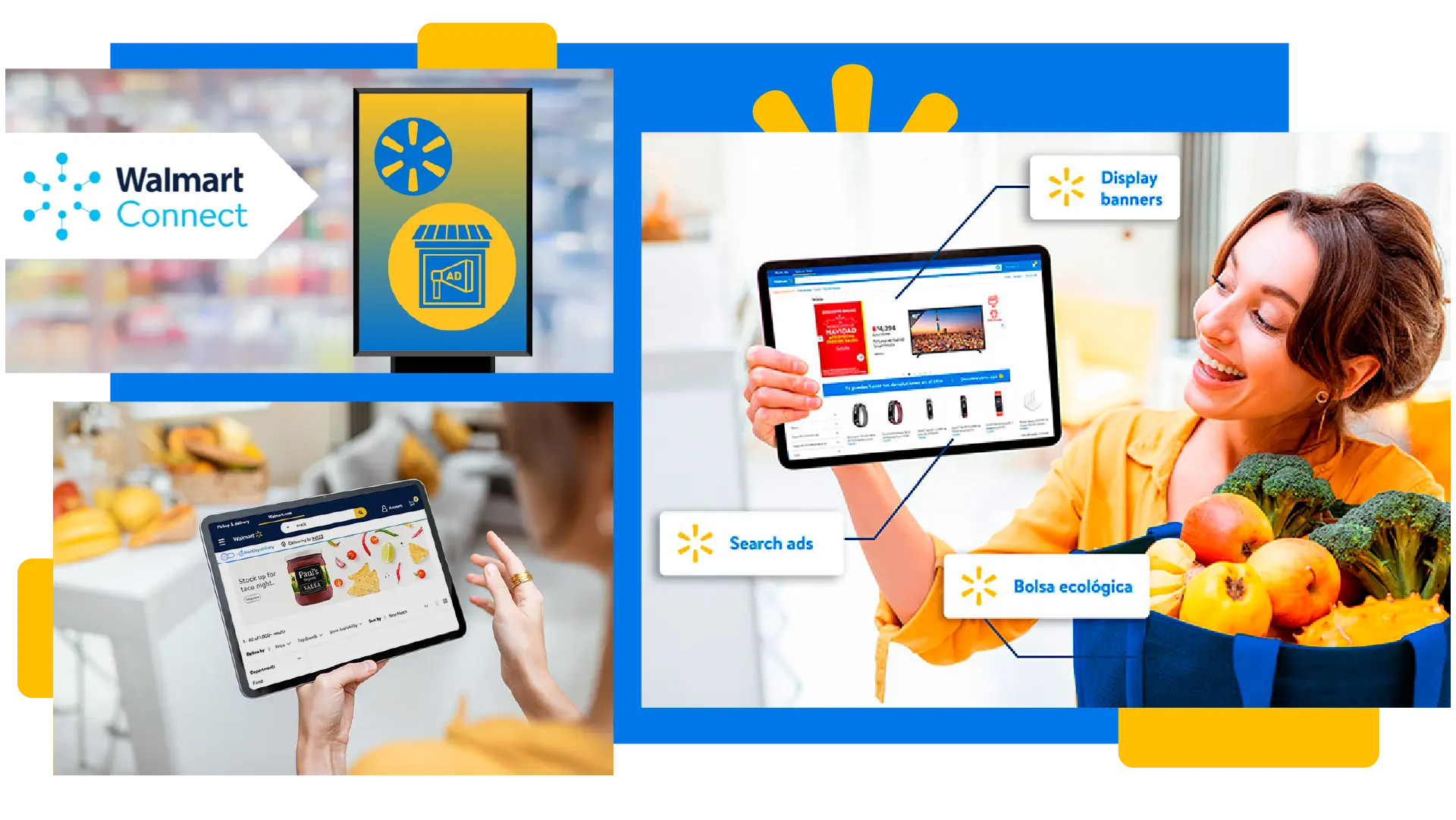
Personalized Ads
Shoppers see targeted ads on Walmart’s website, app, and in stores. Walmart Connect lets brands tailor ads based on shopper demographics, preferences, and behavior, improving the relevance of offers.
Improved Shopping
Walmart Connect highlights relevant products and promotions, enhancing the shopping experience. Shoppers find new products and deals that match their interests, making shopping more enjoyable and efficient.
Exclusive Offers
Shoppers access exclusive deals and discounts through Walmart Connect, saving money on desired purchases.
Note: Walmart Connect operates as Walmart’s retail media network, allowing brands to connect directly with Walmart shoppers across multiple digital channels.
How Walmart Does Generative AI
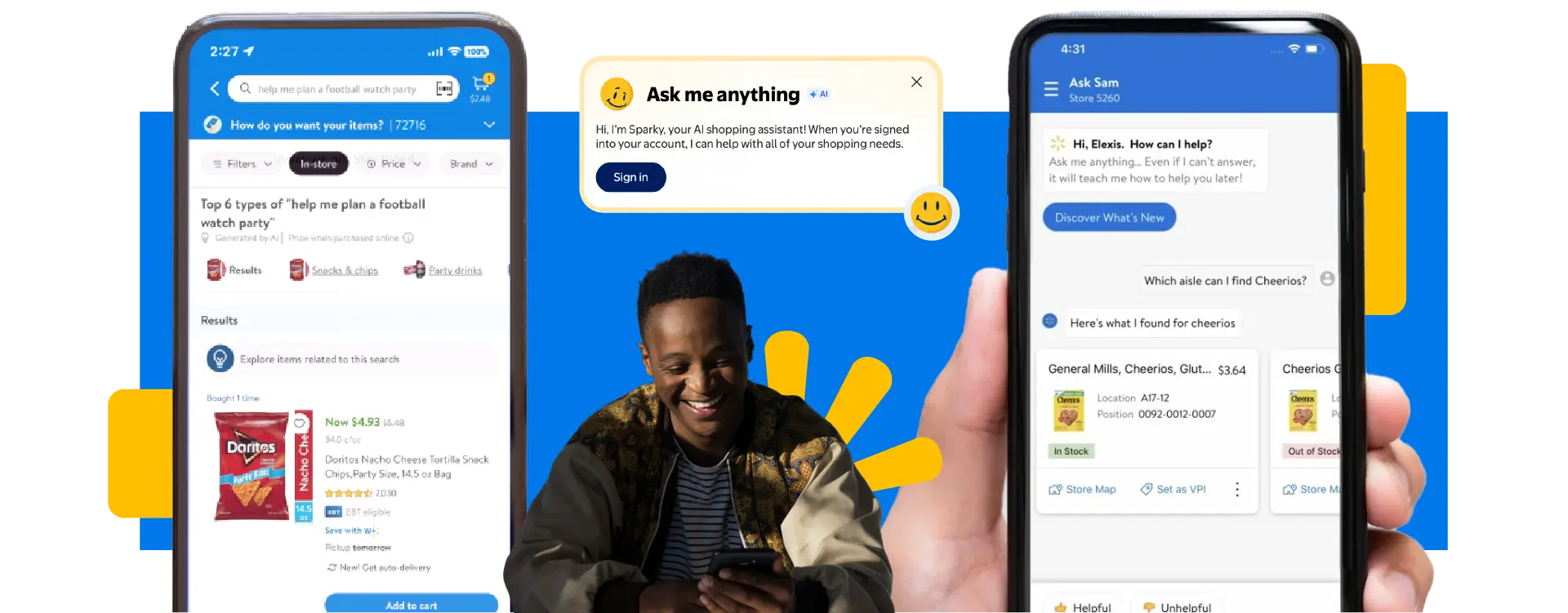
Personalized Recommendations
Analyzes customer data for tailored product suggestions on Walmart’s website and app, enhancing the shopping experience.
Search and Navigation
AI-powered search improves product discovery with natural language understanding and predictive suggestions, helping shoppers find items faster.
Customer Support
Chatbots provide 24/7 assistance with inquiries, product details, and order tracking, ensuring efficient customer service.
In-Store Experience
AI-based technologies like image recognition optimize shelf stocking, monitor store conditions, and improve overall operations for a smoother shopping experience.
So, Is Integrating Digital Experiences at Retail Worth the Effort It Takes to Implement?
The short answer is yes—and not only is it “worth it”… it’s critical.
The consumer is evolving, and digital is a cornerstone of this ongoing movement. Keeping up is essential to maintaining longevity in relationships with your consumer.
Here’s Where You’ll Win
There Is No One-Size-Fits-All
Each retailer has unique goals to consider when adopting new technologies. Understanding and aligning these goals with digital strategies is essential to success.
We can help you uncover and achieve your goals.
For more on how to adopt a new approach and innovative retail strategies, check out our other articles linked below:
- How the Test and Learn Approach Can De-Risk Your Idea and Guarantee an ROI
- Is Your Brand Experience Living Up to Expectations?
Frequently Asked Questions
What is unified commerce?
Unified commerce integrates all retail sales channels (stores, websites, apps, and social media) around the store, giving customers consistent inventory, pricing, and promotions no matter where they shop. It replaces the traditional omnichannel approach by placing the store at the center of the digital experience.
What are retail media networks?
Retail media networks (RMNs) are advertising platforms owned by a retailer, or that leverage retailer data through a third-party platform, allowing brands to advertise directly to shoppers across websites, apps, streaming services, email, and in-store media. Retailers like Amazon, Walmart, Kroger, and Target all operate their own RMNs.
How does generative AI improve the shopping experience?
Generative AI analyzes customer preferences, purchase history, and browsing behavior to power personalized product recommendations, AI-driven search and navigation, 24/7 customer support chatbots, and in-store technologies like image recognition for shelf stocking and inventory monitoring.
How does Walmart use digital technology in its stores?
Walmart integrates all three major digital strategies: unified commerce (through omnichannel fulfillment, mobile app integration, and in-store technology like self-checkout), retail media networks (through Walmart Connect, which delivers personalized ads across Walmart’s digital properties), and generative AI (through personalized recommendations, AI-powered search, chatbots, and in-store image recognition).
Is investing in digital retail experiences worth it?
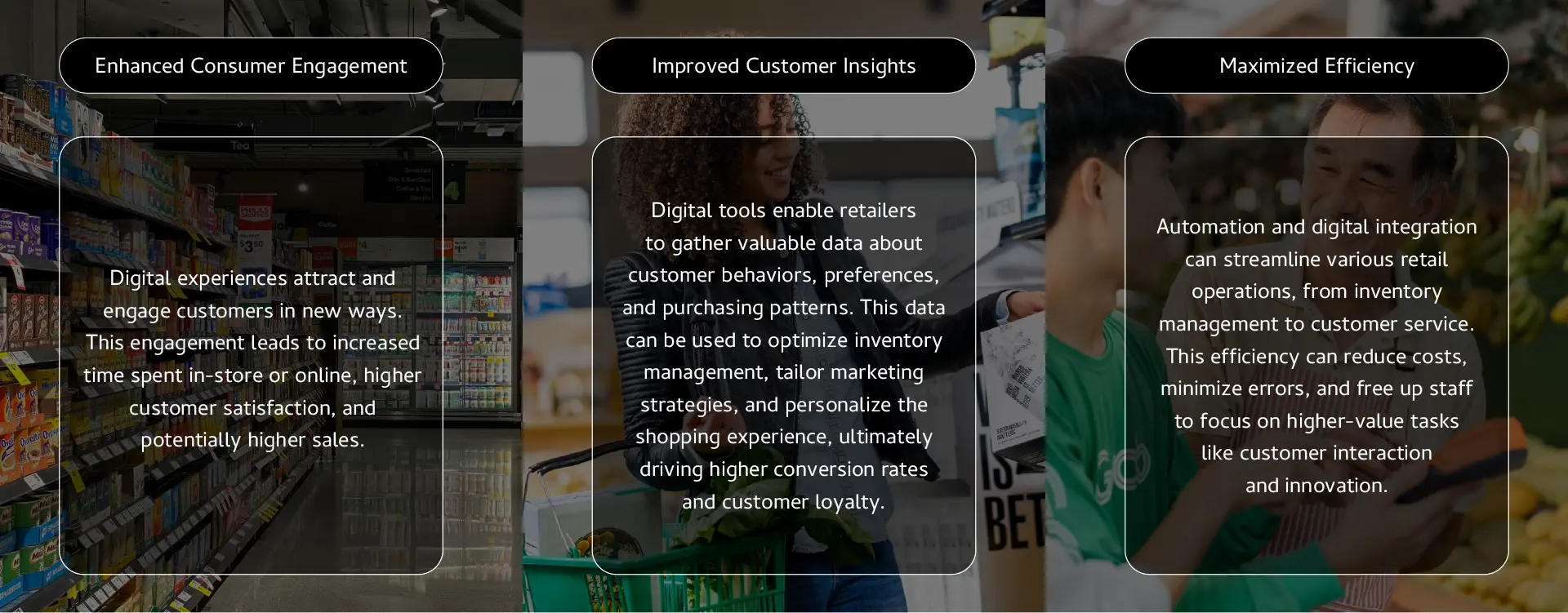
Yes, digital integration is considered essential, not optional, for maintaining long-term customer relationships. It leads to enhanced consumer engagement, improved customer insights through data collection, and maximized operational efficiency through automation.




Fill out the form below to download the PDF!
Relevant Content
-
![Wayfind - 4 Steps for Rethinking Experiential Retail]() Wayfind
Wayfind4 Steps for Rethinking Experiential Retail
The Importance of In-Store Experiences Is Obvious, but How Is It Actually Done?
-
![Wayfind - The Future of Design Has Arrived—and It’s Surprisingly Playful]() Wayfind
WayfindThe Future of Design Has Arrived—and It’s Surprisingly Playful
Our team scouted the showrooms and design labs of Chicago to catch what's emerging, and what's next
-
![Wayfind - What’s Behind Construction Delays in Retail, Restaurant & Convenience Store Development—And How to Get Ahead of Them]() Wayfind
WayfindWhat’s Behind Construction Delays in Retail, Restaurant & Convenience Store Development—And How to Get Ahead of Them
-
![Point of View - Winning in Today’s Retail Ecosystem]() Point of View
Point of ViewWinning in Today’s Retail Ecosystem
Why Other Retailers Should Take the DICK'S Sporting Goods Approach